
Pot leak response time cut in half.
An Indian aluminium smelter deployed Drona VR Pot Leakage Response modules. Operator response time on detection drills cut in half. Detection accuracy reached 100% in evaluation runs.
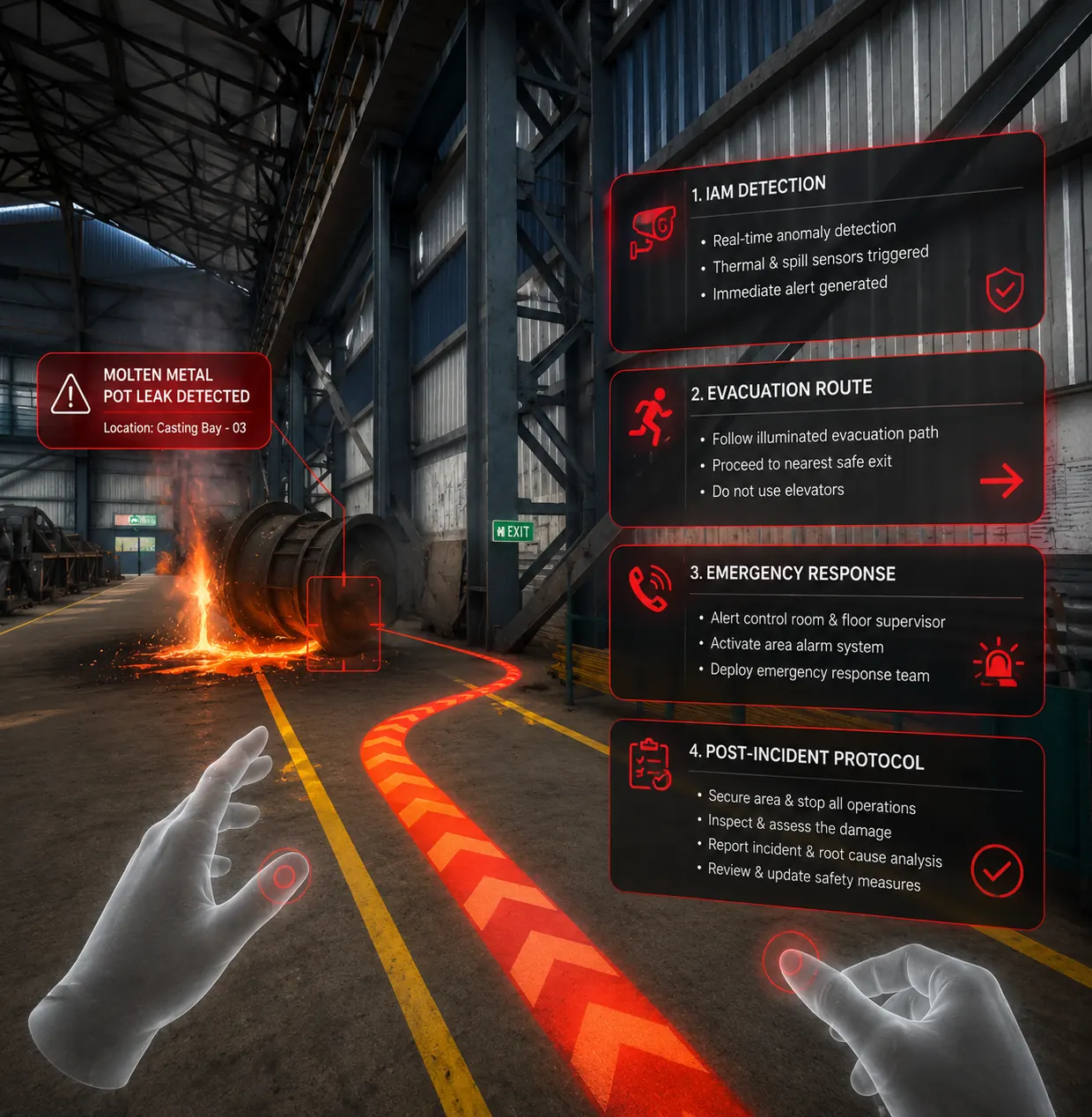
Pot leak response could not be rehearsed safely. Operators learned during real events.
Indian primary aluminium smelter
Indian primary aluminium smelter. Multiple potlines, hundreds of pot operators across shifts.
No safe way to rehearse pot leak response — using real molten metal was untenable. The first time most operators faced a leak was during an actual event.
Module deployed: Pot Leakage Response.
Drona VR Pot Leakage Response module replicated the smelter's pot lines, leak signatures, and response protocols. Operators rehearsed detection, evacuation, and post-event procedure in immersive simulation.
Deployment timeline.
Numbers from 90 days post-deployment.
Response time.
Time from leak detection to evacuation initiation cut by half in evaluation drills.
Detection accuracy.
Every operator correctly identified leak signatures in evaluation.
Safe rehearsal.
No real molten metal required. Repeated rehearsal made the response automatic.
Documentation.
Per-learner records aligned with Indian standard documentation expectations.
You cannot rehearse pot leak response on a real pot. Drona gave us the only safe way.
Three modules. One platform.
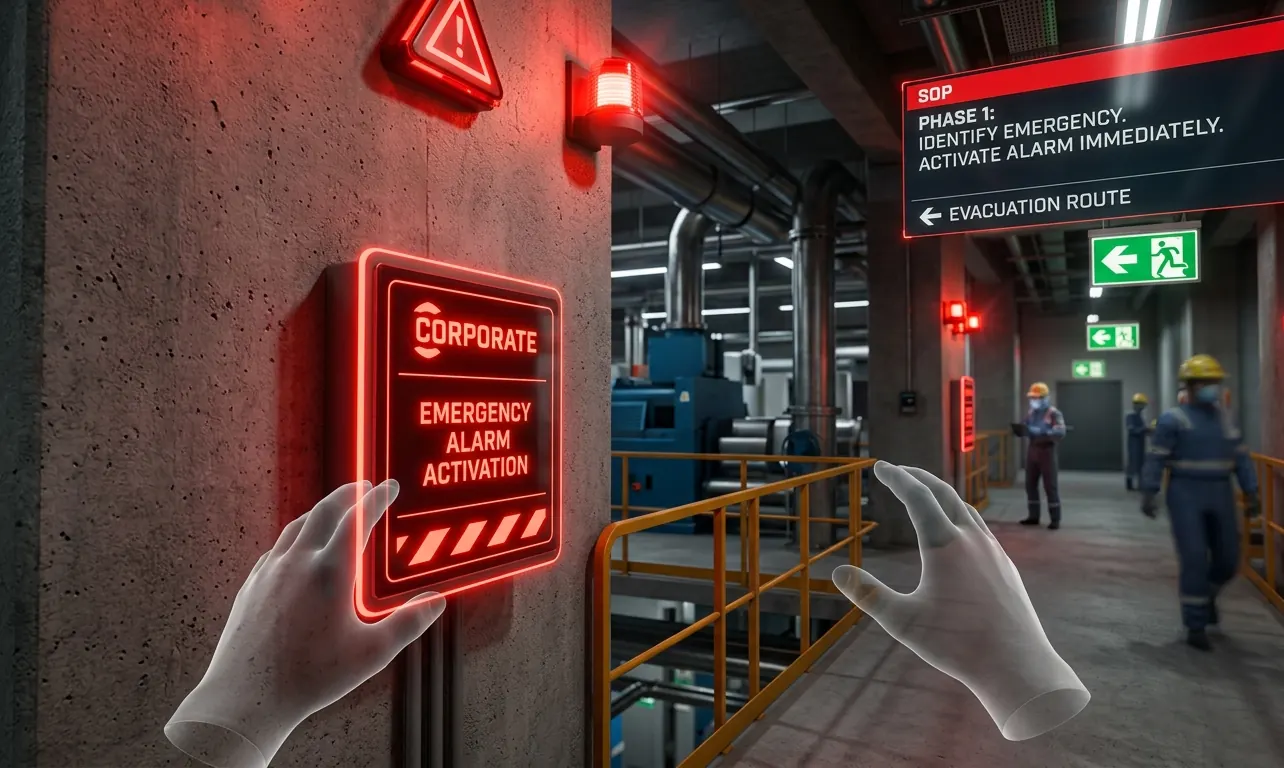
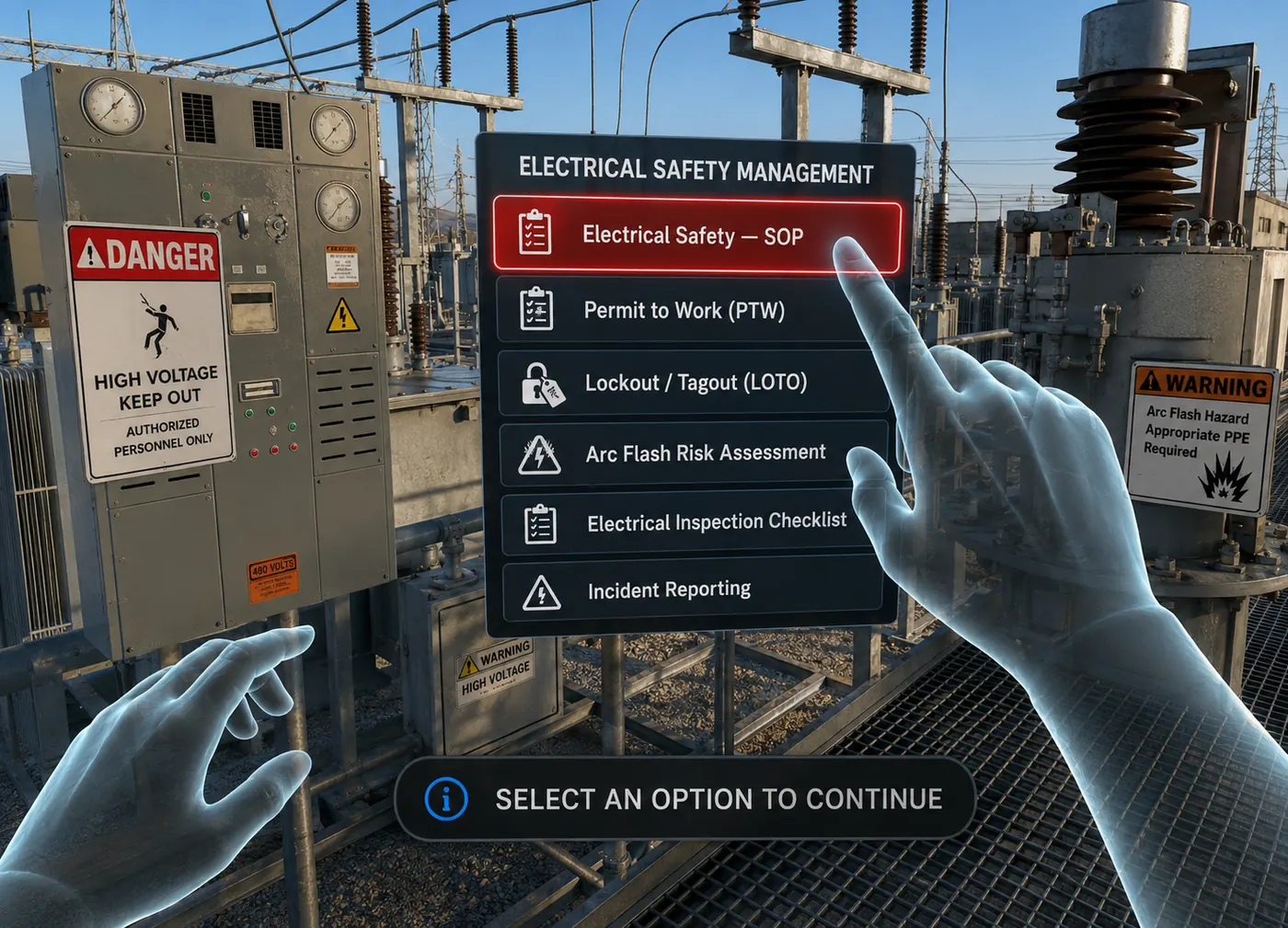
Three takeaways from this deployment.
High-consequence work needs safe rehearsal.
Where real rehearsal is unsafe, VR is the only path. Pot leakage is the textbook case.
Detection is rehearsable.
Pattern recognition for leak signatures is repetition-based. VR delivers the repetition.
Quarterly cadence is sufficient.
For high-consequence rare events, quarterly rehearsal preserves reflex without overload.
Train aluminium for the work where mistakes are audit findings.
Book a 15-minute discovery call. We will walk you through the modules deployed in this case study, on a real headset, with your SOP language.