
How a leading Indian pharma manufacturer cut cleanroom hygiene incidents.
Three plants. One cleanroom operations module. Within 90 days of deployment, the customer's largest deviation category — cleanroom hygiene — measurably declined. Operators completed every SOP step in evaluation. The audit cycle changed.
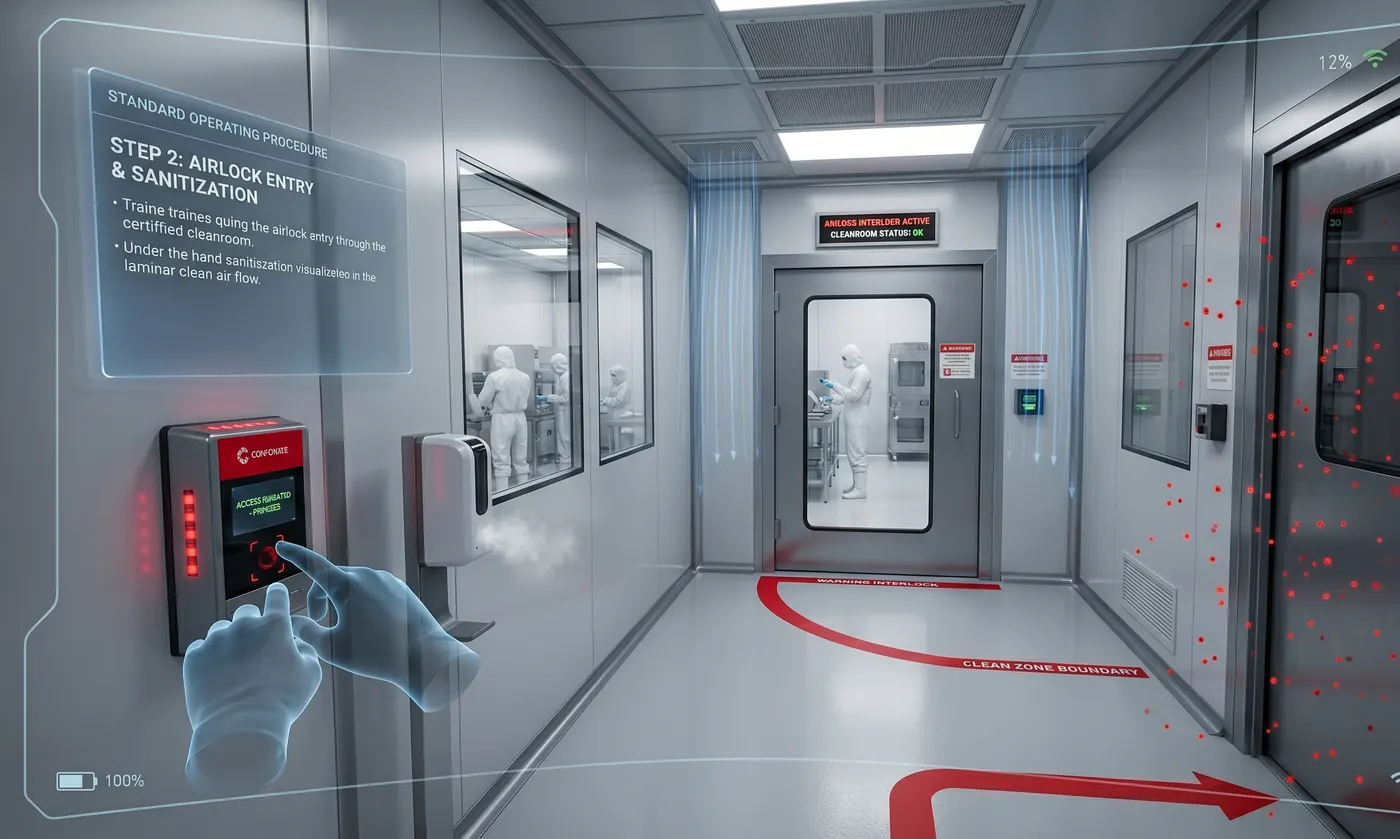
Cleanroom hygiene incidents were the largest deviation category for two consecutive years.
Leading Indian pharma manufacturer
Multi-site formulations and API operations across three plants in Western and Southern India. ~5,000 plant operators across the network.
The customer was preparing for its first audit cycle under the revised Schedule M (effective 2024). Cleanroom hygiene deviations had been their single largest category in the deviation log for two consecutive years — gowning sequence errors, missed sanitisation steps, contamination escalations.
Conventional training was not changing the trend. Classroom sessions had been refreshed twice. SOP read-throughs were signed off by every operator. The deviation rate stayed flat. Auditors were beginning to ask harder questions about competency evidence — not attendance.
Module deployed: Cleanroom Operations.
VB Group's EHS engineers spent two weeks on-site mapping the customer's actual cleanroom SOP — not a generic version. The Drona VR Cleanroom Operations module was configured to replicate the exact sequence, hazard points, decision junctions, and deviation response protocol the customer's procedure required.
Three platform features removed the historical procurement blockers. Offline runtime meant the modules ran entirely on Meta Quest 3 headsets — no calls into the segregated plant network, IT signed off without redlines. Trainer cast view streamed the learner's in-headset view to a tablet at the EHS lead's station, enabling real-time evaluation. Audit-ready documentation generated automatically per learner.
Deployment timeline.
Numbers from 90 days post-deployment.
Cleanroom hygiene deviations declined.
The customer's largest deviation category — cleanroom hygiene — fell measurably across all three plants within 90 days. The trend held into the next quarter.
Operator onboarding accelerated.
New operators reached cleanroom-ready certification ~3x faster than the previous classroom-based pathway. Lines did not come offline for new-hire training.
SOP step completion in evaluation.
In post-training evaluation runs, operators completed every SOP step. Not a single step was skipped. A measurable shift from classroom-trained baseline.
Documentation that auditors accept.
Schedule M-formatted PDFs generated automatically per learner. The customer's QA team validated the format ahead of the audit cycle.
The training replicated our SOP step for step. Cleanroom hygiene incidents at our facility fell after the Drona VR cleanroom module went live. For the first time, our audit team has competency evidence — not just attendance records.
Three modules. One platform.
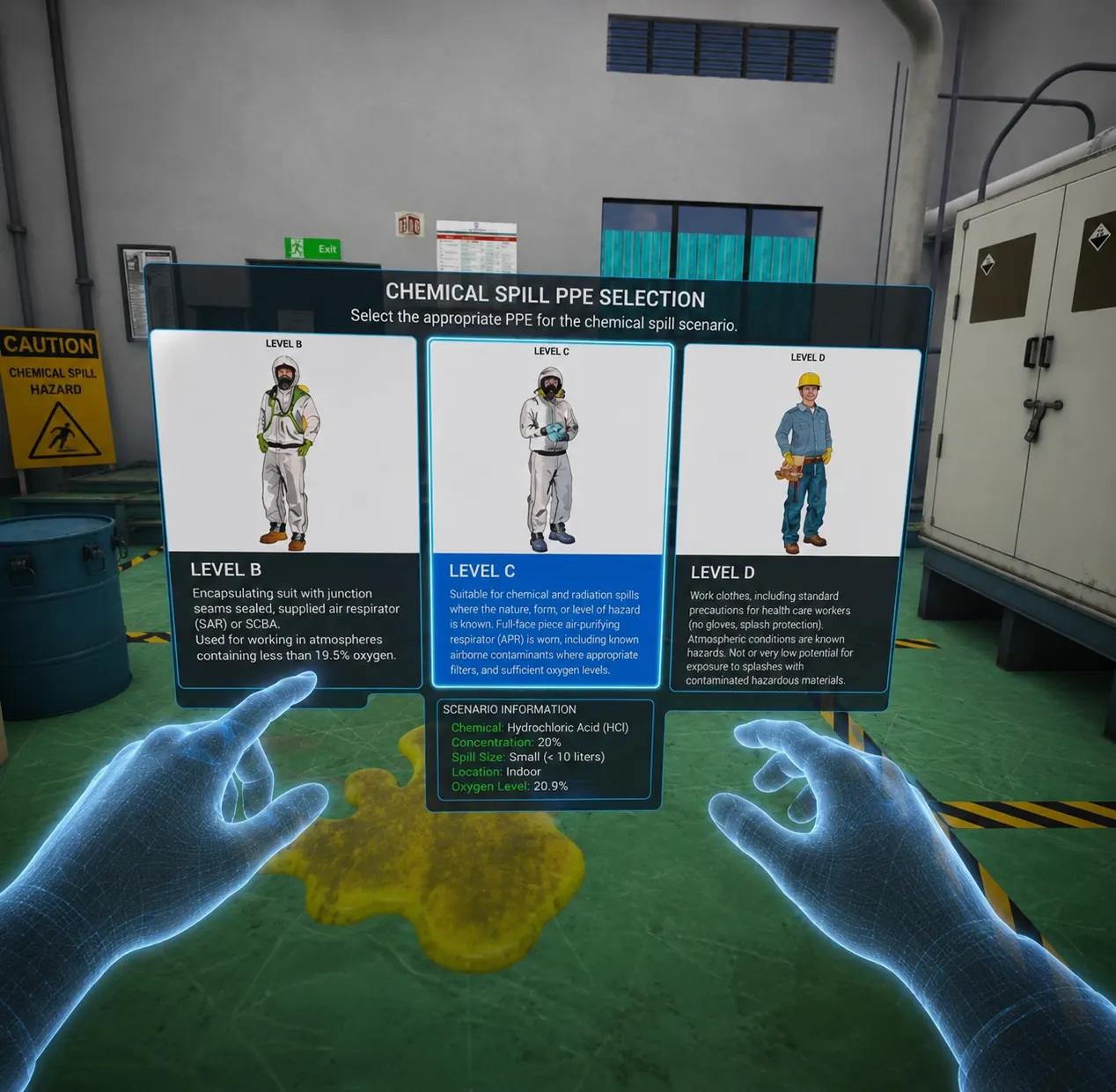
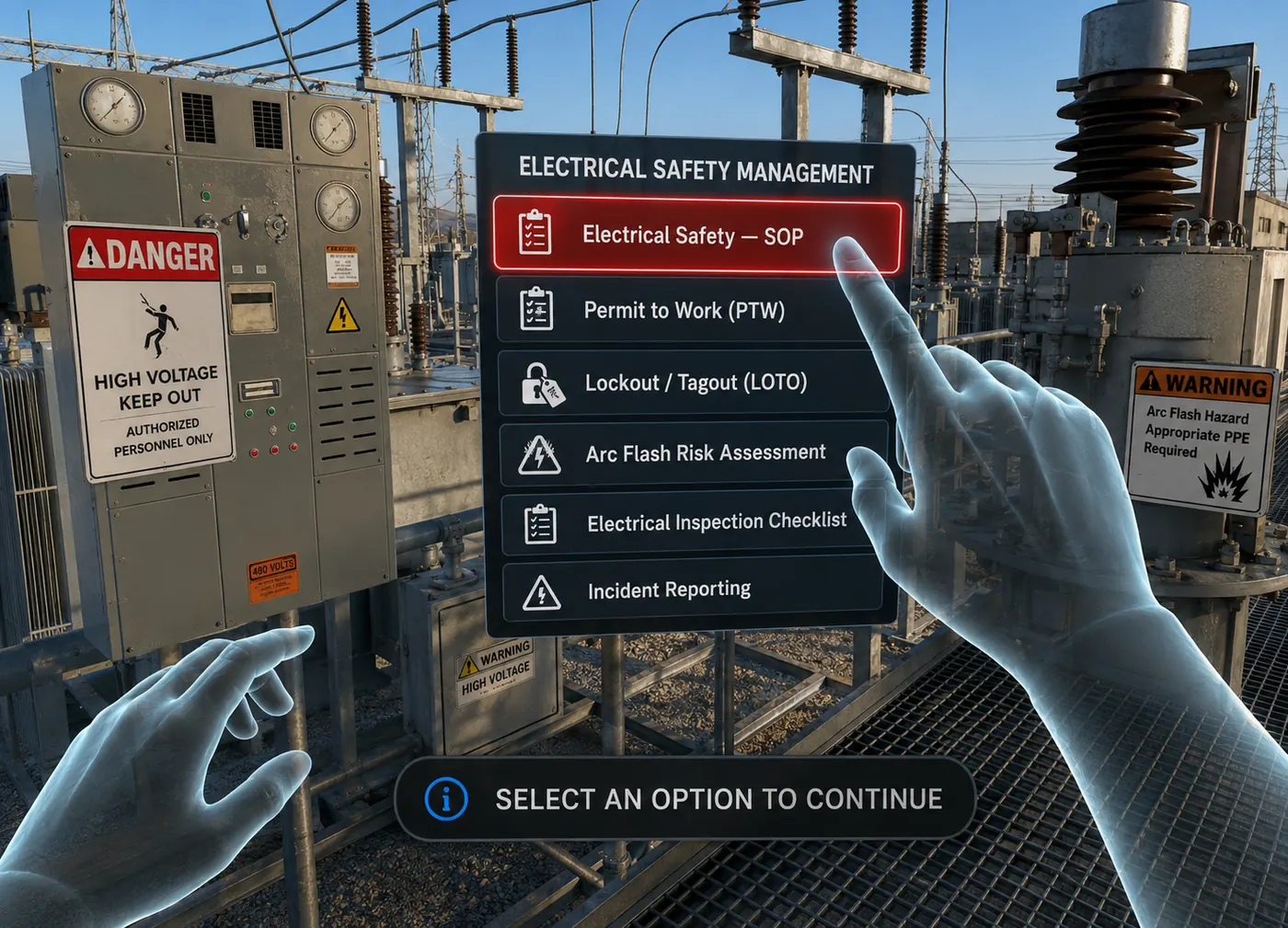
Three takeaways from this deployment.
Map the actual SOP, not a generic one.
The customer's EHS Director credited the on-site SOP-mapping phase as the single biggest reason adoption worked. Generic VR safety content would have produced different results.
IT objections vanish with offline runtime.
Plant IT had killed two previous VR pilots over network policy. Drona's headset-only runtime removed the conversation in week one of the security review.
Trainer cast view changed the EHS lead's role.
Real-time visibility into trainee decisions let the EHS team move from compliance officer to coach. They started intervening on the first attempt.
Train pharma manufacturing for the work where mistakes are audit findings.
Book a 15-minute discovery call. We will walk you through the modules deployed in this case study, on a real headset, with your SOP language.